- Feb 22, 2024
How to Effectively Use a CRM in Your Small Business or Startup
AI Automation for Small Businesses
Buy the mini Course - $27
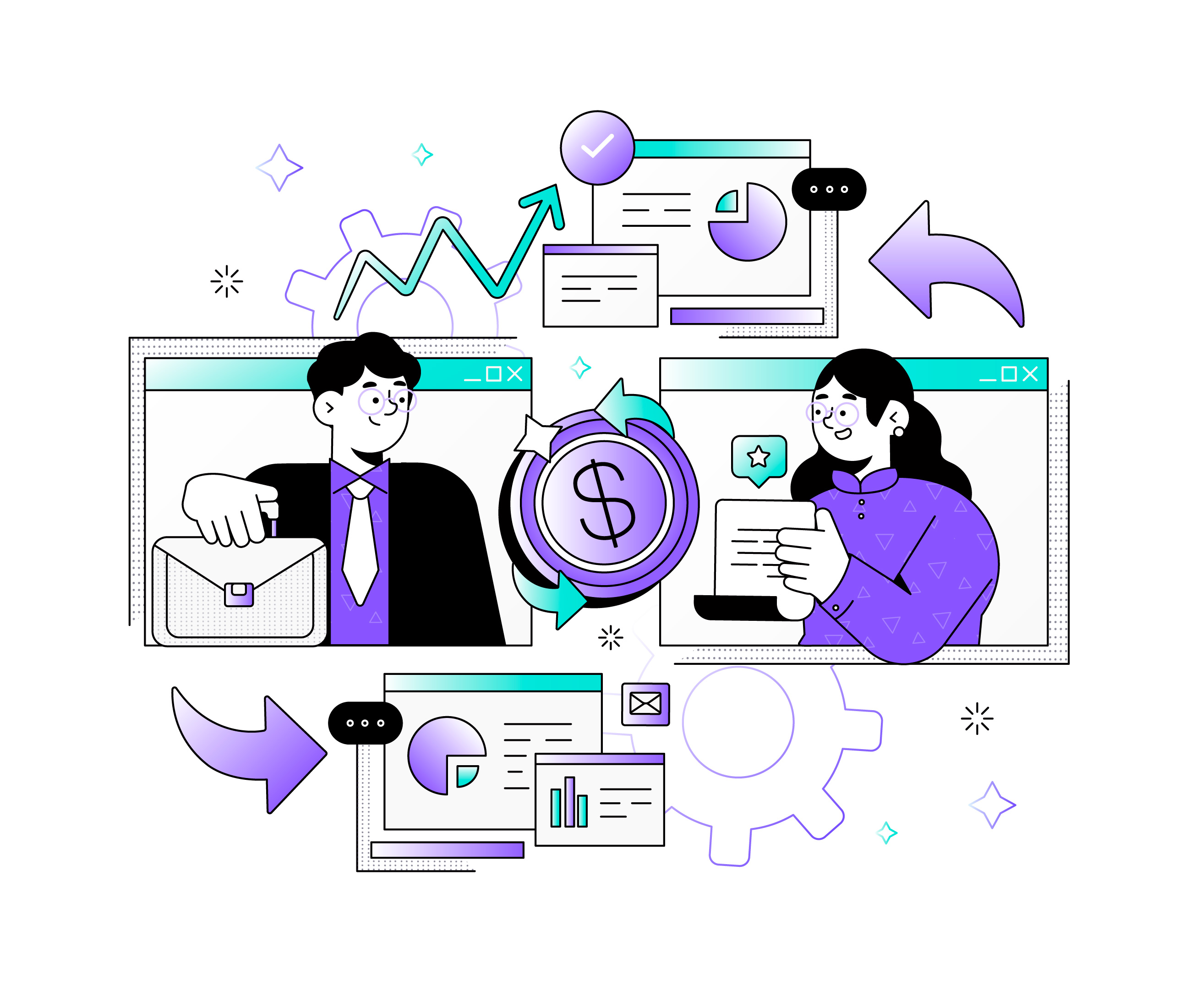
Welcome to the world of Customer Relationship Management (CRM)! As a small business owner, startup founder, or busy professional, you understand the importance of building and maintaining relationships with your clients. A CRM system can be the tool you need to grow those relationships, streamline your processes, and enhance productivity. Let’s explore how a CRM can transform your business operations and help you create lasting connections with your customers.
Understanding the Basics of CRM
CRM stands for Customer or Client Relationship Management, and at its core, it's a strategy for managing your business (company) interactions with current and potential customers or clients. It involves using technology to organize, automate, and synchronize sales, marketing, customer service, and technical support.
Choosing the Right CRM for Your Business
There are numerous CRM platforms available, each with its own set of features and benefits. When selecting a CRM, consider the size of your business, the complexity of your sales cycle, and the specific needs of your industry. Some popular CRMs for small businesses and startups include Salesforce, HubSpot, and Zoho CRM.
Benefits of Using a CRM
Improved Customer Relationships: A CRM helps you keep track of customer interactions, preferences, and feedback, which can improve customer and client satisfaction and loyalty.
Increased Sales: By organizing customer or client information effectively, a CRM can help you identify sales opportunities, build sales pipelines, and close deals more efficiently.
Enhanced Communication: CRMs facilitate better communication within your business (team) by providing a centralized platform for sharing customer or client information and progress on sales activities.
Analytics and Reporting: With a CRM, you can analyze customer or client data and generate reports to make informed business decisions and strategize future marketing and sales efforts.
Implementing a CRM in Your Business
Implementing a CRM system requires careful planning and execution. Start by ensuring that your team (if applicable) is on board with the change and understands the benefits of using a CRM. Provide adequate training and support during the transition period. Finally, regularly review and optimize your CRM processes to ensure they align with your business goals and roadmap growth.
CRM Best Practices
Keep Your CRM Data Clean: Regularly update and maintain your CRM data to ensure accuracy and relevance.
Personalize Customer (Client) Interactions: Use the information in your CRM to personalize communications and offers to your customers and clients.
Integrate Your CRM with Other Tools: Connect your CRM with other business tools such as email, calendar, and marketing automation software for a seamless workflow.
Measure and Track Performance: Use the CRM’s analytics tools to track performance and measure the success of your sales and marketing efforts.
Conclusion
Embracing a CRM system can be a game-changer for your small business or startup. It can streamline your operations, facilitate better customer (client) relationships, and drive growth. Remember to choose a CRM that fits your needs, train your team effectively, and continually refine your CRM strategy. With the right approach, a CRM can be your partner in building a successful, customer-centric business.
I currently use Bigen CRM by Zoho; it is easy to use, customizable, and easy on your budget with free and paid versions. Give it a try! Here's to your business success!